How to Live a More Environmentally Sustainable Life
A Beginner’s Guide
We hear everywhere about how our planet is condemned, how by 2050 there will be more plastic in the ocean than fish in the sea, that Global Warming is happening, or that the world is ending, even though we are not quite sure what it means or even if we do, we have absolutely no idea how to fix it or do anything to help. We keep thinking that it’s the government’s or big companies’ responsibility and they should be doing something to mitigate the risks of global destruction.
That always bugged me, because I have been a lover of nature, probably like you, for too long, and until a few years ago I had no idea what I could do to help the environment. The talks I had in school were about preserving biodiversity and being aware of climate change without actually guiding us on how to. Everything seemed so out of our reach, the maximum that we could do was recycle, which, if you have read some of my other posts about zero waste, probably know by now that I’m not a big fan…
I began questioning everything after living for one year in New Zealand, and I started to understand that we, as consumers, are indeed capable of doing something to make a positive impact, or at least reduce the negative impact the consumer-driven society is built to make. This is how to live a more sustainable life.

How to shop
Conscious consumption is probably the root of being sustainable. You as an individual of society have the power to do good by choosing wisely how you spend your money. Buying is an act of choice. By spending money on a product, you are creating demand for it, you are telling the market that it should be made more from that product because you and other people are interested in buying, and that goes for food too!
So the ultimate tip here is to buy second-hand. By placing your money in products that already exist, you don’t create demand for new ones, you state that there are plenty of good-working products, devices, clothes, or whatever that can be used. By not creating demand for new, you are preserving natural resources, in the extraction of raw materials to make the product, and in the production process, which depending on the product can be very polluting.
For example, The fashion industry contributes to carbon dioxide emissions, petroleum consumption, and textile waste, which apart from having negative impacts on the environment, it also has on society. Additionally, the manufacturing of electronic devices emits a significant amount of greenhouse gases. These emissions contribute to global warming, climate change, and air pollution.
Other alternatives to shopping, would be to choose wisely companies that have sustainability in their DNA. Usually, they are not well known, and rather new, but they will have a whole page on their website dedicated to their impact on their environments, from how they extract resources and manufacture their products, to how they treat their employees and what happens to the product after its life-cycle is over. A true ethical brand will have it figured out or will be on its way to how to have the least negative impact on the earth and how to expand its positive. From the product to the package, to the tag, to the delivery method, to the disposable method (whether be repaired, biodegradable, or applied reverse logistics), they will have thought of it all.
Also, apart from shopping second-hand or sustainable brands, it should not be a wonder that quitting single-used plastic is essential if you want to reduce your negative impact on the earth and is the easiest way to start being sustainable. I have a whole article you can check out explaining what is the zero waste lifestyle and why it is important if you worry about plastic pollution and the future of the planet.
By being conscious of what you are consuming, you realize what has actual value to you, what is really necessary for your life, or as Marie Condo likes to say, “what sparks joy”. You realize that you do not need a lot of stuff to live, much less to be happy.
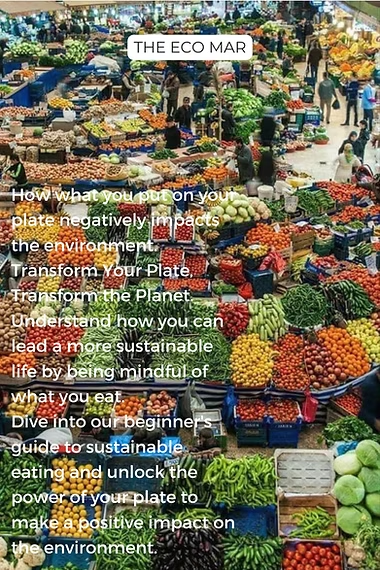
What to eat
Opt for Plant-Based Foods.
Meat production is among the most environmentally damaging industries globally, contributing to water depletion, pollution, greenhouse gas emissions, and habitat destruction. By embracing plant-based foods and reducing meat consumption, you can shrink your environmental footprint. Transitioning to a vegan diet significantly reduces your carbon footprint and food waste.
Eliminating meat entirely can feel like a big challenge, or simply impossible. You can start by cutting, red meat, then white meat like chicken, then by fish and other seafood, then dairy and eggs, at least that’s what I did and it has been working for me so far. It actually took 2.5 years to complete the transition, you do what feels best for you, don’t even have to have a label such as vegetarian or vegan, it’s enough to have good intentions and stick to your values. Incorporating Meatless Mondays or designating one meal per day to exclude meat, gradually reducing your meat intake while positively impacting the environment is a great idea.
Understand the Impact of Animal Agriculture
Animal agriculture is a major contributor to climate change, accounting for a significant portion of greenhouse gas emissions.
Overfishing depletes marine ecosystems, leading to severe environmental degradation. Avoid supporting harmful fishing practices and unsustainable fish farming by opting for plant-based alternatives.
Eating less meat and dairy can mitigate deforestation and promote reforestation efforts, essential for biodiversity and combating climate change.
Reducing meat consumption not only benefits the environment but also improves personal health, lowering the risk of heart disease, bowel cancer, and other illnesses associated with processed and red meat consumption.
Choose Organic Products
Opting for organic products, from coffee to fruits, helps mitigate your impact on wildlife and the environment. Pesticides, prevalent in conventional farming, pose significant threats to ecosystems and human health. By supporting organic farming, you keep harmful pesticides out of the environment and safeguard wildlife, farm workers, and your family’s health.
By making conscious choices about what you eat, you can play a vital role in fostering a more sustainable future for both the planet and future generations.
How to move
Opt for Sustainable Transportation
Reduce your carbon footprint by changing your driving habits. Walk, bike, carpool, or use public transportation whenever possible to minimize fossil fuel emissions.
Combine errands to make fewer trips and participate in car-free days to promote eco-friendly transportation alternatives in your community.
Encourage local officials to invest in electric vehicle infrastructure and consider purchasing an electric car to further reduce emissions.
Creating a sustainable home
Water
Conserve water by taking shorter showers, fixing leaks, and choosing low-flow appliances. Consider having in your yard with drought-resistant plants to reduce water usage and provide habitat for wildlife.
Composting
Reduce landfill emissions and enrich soil by composting organic waste. Opt for recycling whenever possible to conserve energy and reduce greenhouse gas emissions.
Support local authorities that offer food waste collection and composting programs, as well as separate recycling initiatives for garden waste.
Energy
Enhance your home’s energy efficiency by ensuring proper insulation, installing energy-saving windows, and using programmable thermostats.
Switch to energy-saving light bulbs and consider using a clean energy supplier that generates electricity from renewable sources like wind and solar.
Take advantage of incentives and programs offered by your state to install rooftop solar panels or solar water heating systems, saving both money and reducing your environmental impact.
By incorporating these sustainable practices into your daily routine, you can play a vital role in mitigating climate change and creating a more environmentally friendly future. It benefits not only the environment but also your health and your family’s.